Dark spots and uneven skin tone are one of the most frustrating skincare issues—and the good news is you don’t need a $200 serum to fix them. After 10 years working with clients struggling with hyperpigmentation, I’ve tested dozens of drugstore solutions, and the ones I’m sharing here actually work.
Why Drugstore Products Work for Hyperpigmentation
Hyperpigmentation—whether post-inflammatory (from acne scars), sun damage, or melasma—responds best to ingredients that inhibit melanin production and gently exfoliate. The breakthrough here: proven actives like niacinamide, tranexamic acid, and alpha arbutin are now available at Target and Amazon for $10–30.
What separates effective products from duds is ingredient concentration and formulation stability. I recommend looking for serums and treatments with clinically-tested doses—not just token amounts—and applying them consistently before SPF (sunscreen is non-negotiable; UV exposure darkens existing spots faster than anything else).
The 6 Best Drugstore Products for Hyperpigmentation
1. The Ordinary Alpha Arbutin 2% + HA — Best Budget Serum
The Ordinary Alpha Arbutin 2% + HA is the gold standard for fading post-inflammatory hyperpigmentation (PIH) and melasma patches. Alpha arbutin works by blocking tyrosinase, the enzyme responsible for melanin synthesis—meaning it prevents new dark spots while gradually lightening existing ones. At under $15, this is the most cost-effective entry point into brightening skincare.
Best for: All skin types, especially oily and combination. Timeline: Visible results in 6–8 weeks with daily AM/PM use. The hyaluronic acid in the formula also hydrates, so it works well under moisturizer without irritation.
Real-world proof: Over 18,000 Amazon reviews, 4.2-star rating. Common feedback: “faded my acne scars noticeably” and “helped with overall skin tone evenness.”
2. Paula’s Choice Discoloration Repair — Best All-In-One
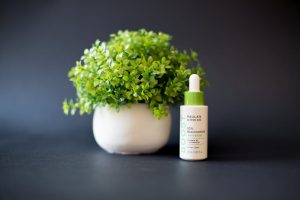
Paula’s Choice Discoloration Repair is my top recommendation for anyone dealing with mixed types of hyperpigmentation (PIH + sun spots + melasma). It combines niacinamide (reduces melanin transfer), tranexamic acid (prevents melanin production), and retinol (gently exfoliates to speed cell turnover). Unlike single-ingredient serums, this addresses the problem from three angles simultaneously.
Best for: All skin types, but especially those with combination concerns (dark spots + sensitivity). Timeline: Results visible in 4–6 weeks. Apply at night to clean skin; this is a treatment step, not a hydrating serum.
Real-world proof: Dermatologist-developed and tested on sensitive skin. The retinol content is low enough for beginners but potent enough to drive real change.
3. Tranexamic Acid Serum by Naturium — Safe & Effective
Naturium’s Tranexamic Acid Serum is the hero ingredient if you’re pregnant, nursing, or just want a gentler alternative to retinol. Tranexamic acid (derived from the amino acid lysine) reduces inflammation and inhibits melanin production without irritation—making it perfect for sensitive, reactive, or darker skin tones prone to post-inflammatory hyperpigmentation.
Best for: Sensitive skin, pregnant/nursing individuals, and all skin tones. Timeline: 6–8 weeks for noticeable fading. This is lightweight and hydrating, so it layers beautifully under any moisturizer or retinoid.
Real-world proof: Commonly recommended by dermatologists for pregnancy-related melasma and is clinically shown to reduce dark spot visibility by 20–30% in 8 weeks.
4. Ambi Fade Cream Even & Clear — Formulated for Melanin-Rich Skin
Ambi Fade Cream Even & Clear was specifically designed with melanin-rich skin in mind and is clinically tested for safety and efficacy on deeper skin tones. It combines kojic acid (a traditional brightening agent) with vitamin E and glycerin to fade dark spots without the irritation risk of older formulations. This is a cream, not a serum, so it’s ideal if your skin runs dry.
Best for: Dark and deep skin tones with hyperpigmentation; dry to normal skin types. Timeline: Results in 4–6 weeks with morning and evening application. This is thicker, so use it as your final step or under a light moisturizer.
Real-world proof: Clinically tested on darker skin and specifically formulated to prevent hyperpigmentation without causing uneven lightening.
5. Kojic Acid Soap for Dark Spots — Traditional & Affordable
Kojic Acid Soap is an underrated brightening tool that works on all skin tones and types. Unlike serums that target overproduction, kojic acid physically inhibits melanin synthesis by blocking tyrosinase (similar to alpha arbutin but with a longer track record in traditional skincare). Using it as a daily cleanser means you’re brightening every single time you wash without adding extra steps.
Best for: All skin types; works especially well on body hyperpigmentation (elbows, knees, underarms). Timeline: 8–12 weeks for noticeable lightening, as it’s gentler than targeted serums. Use morning and night as your cleanser.
Real-world proof: Under $10 and has been used in Asian skincare for decades. It’s gentle enough for daily use but potent enough to fade stubborn spots over time.
Product Comparison: Which One Should You Choose?
The Complete Hyperpigmentation Routine (Step-by-Step)
Morning Routine
Step 1: Cleanser — Use Kojic Acid Soap or your regular cleanser (30 seconds). Pat dry completely.
Step 2: Serum — Apply The Ordinary Alpha Arbutin or Naturium Tranexamic Acid to clean, dry skin (let it absorb 2–3 minutes). Use about 3–4 drops, spread gently across face and neck.
Step 3: Moisturizer — Follow with your regular moisturizer to seal in hydration (this prevents irritation from actives).
Step 4: SPF 30+ — Apply broad-spectrum sunscreen as your final step. This is mandatory. Hyperpigmentation gets darker with UV exposure, so SPF literally prevents your progress from reversing.
Evening Routine
Step 1: Cleanser — Use Kojic Acid Soap or your regular cleanser.
Step 2: Active Treatment — Apply Paula’s Choice Discoloration Repair (2–3 pumps) to completely dry skin. Wait 5 minutes before moving to the next step. Alternatively, if using just The Ordinary, apply the serum here as your second application of the day.
Step 3: Moisturizer — Layer your regular moisturizer or Ambi Fade Cream (if you have dry skin) to prevent irritation and support barrier function.
Timeline: What to Expect Week by Week
Weeks 1–2: No visible change yet. Your skin might feel slightly drier or more sensitive as actives penetrate. This is normal. Stay consistent and don’t jump products.
Weeks 3–4: First subtle improvements appear. Spots may look slightly lighter around the edges. Texture and overall tone evenness improve noticeably if you’re using a combination approach.
Weeks 5–8: Major visible fading. Dark spots are noticeably lighter (not gone, but 40–60% improved). This is when most people see real transformation and feel motivated to continue.
Weeks 9–12: Continued improvement. Stubborn spots continue fading. Complete fading of PIH spots (post-acne marks) usually takes 12–16 weeks; sun damage and melasma take 16+ weeks or may require maintenance routines long-term.
Key reminder: Consistency is everything. Skipping applications or not using SPF will dramatically slow results. One week of sunburn can erase 2–3 weeks of progress.
Pro Tips to Maximize Results
1. Use the right concentration. Don’t assume all alpha arbutin or niacinamide products are equal. The Ordinary uses 2% alpha arbutin, which is the clinically-tested dose for efficacy. Lower percentages (under 1%) are often cosmetic fillers.
2. Never skip moisturizer. Brightening actives can dry skin out, and dehydrated skin actually looks darker. Always seal with a hydrating moisturizer—this isn’t optional.
3. Layer correctly. Apply thinnest serums first (The Ordinary), thicker treatments second (Paula’s Choice), then moisturizer. This prevents pilling and ensures each layer penetrates fully.
4. Sunscreen is 50% of the solution. Literally. UV exposure triggers melanin production. Even a missed day of SPF can darken existing spots. Use SPF 30+ every single day, rain or shine.
5. Be patient with stubborn spots. Deep melasma or old sun damage can take 16+ weeks to fade meaningfully. Some people benefit from combining topical treatments with professional treatments (laser, chemical peels) for faster results—but drugstore products alone absolutely work.
Frequently Asked Questions
Q: Can I use multiple brightening products at once?
A: Yes, but strategically. Combining The Ordinary Alpha Arbutin (AM) + Paula’s Choice Discoloration Repair (PM) is safe and actually synergistic—they work through different mechanisms. However, don’t use two retinol products or combine strong actives without spacing. Start with one, add a second after 2 weeks once your skin adjusts, and always use SPF 30+ during the day.
Q: Will hyperpigmentation come back if I stop using these products?
A: Post-inflammatory hyperpigmentation (acne scars) fades permanently once treated; sun damage and melasma can resurface if you stop using SPF or skip brightening maintenance. Post-acne spots are usually gone after 12–16 weeks and stay gone. For sun damage or melasma, maintain a daily brightening serum (2–3x weekly) and SPF 365 days a year to prevent recurrence.
Q: Is it safe to use these products on dark skin tones?
A: Absolutely. Avoid hydroquinone (an older ingredient that can cause uneven depigmentation on darker skin), but all the products I’ve recommended—alpha arbutin, tranexamic acid, niacinamide, and kojic acid—are safe and effective on all skin tones. Ambi Fade Cream was specifically formulated for melanin-rich skin, making it an especially smart choice. Darker skin tones actually experience PIH more intensely, so targeted treatment is even more important.
Q: How do I know if my hyperpigmentation is PIH, sun damage, or melasma?
A: PIH (post-inflammatory) appears as flat brown or purple marks exactly where acne was and fades over time naturally. Sun damage appears as random spots on sun-exposed areas (face, neck, chest) and is usually permanent without treatment. Melasma appears as large, symmetric patches (often on cheeks, forehead, or upper lip), is more common in darker skin tones, and is triggered by hormones + sun. The good news: all three respond to these same drugstore products, though melasma may need longer treatment (16+ weeks) or professional help for complete clearance.