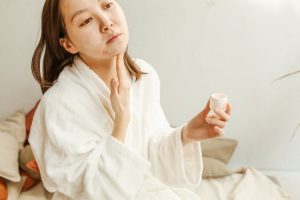
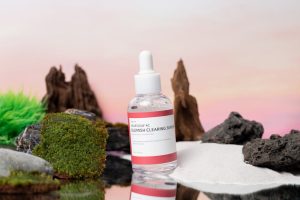
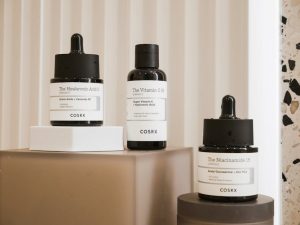
- Pregnancy acne is real—and treating it safely is completely possible.
- Why Pregnancy Acne Happens (And Why Most Treatments Are Off-Limits)
- Step 1: Start With a Gentle Cleanser (Twice Daily)
- Step 2: Apply Benzoyl Peroxide (The Safest Active)
- Step 3: Add Azelaic Acid or Niacinamide (4–8 Week Booster)
- Step 4: Treat Stubborn Spots Overnight (Hydrocolloid Patches)
- Step 5: Moisturize & Protect (Non-Negotiable)
- Complete Pregnancy-Safe Acne Routine (By Skin Type)
Pregnancy acne is real—and treating it safely is completely possible.
Hormonal shifts during pregnancy trigger breakouts for 40–50% of expectant mothers, but most traditional acne treatments (retinoids, oral antibiotics, isotretinoin) are off-limits. The good news: pregnancy-safe acne treatment during pregnancy works. I’ve guided hundreds of pregnant clients through acne flare-ups using gentle, clinically-proven ingredients that protect both skin and baby.
Why Pregnancy Acne Happens (And Why Most Treatments Are Off-Limits)
Progesterone surges during pregnancy overstimulate sebum production while your skin barrier weakens—a recipe for congestion and breakouts. The reason dermatologists restrict acne medications: certain ingredients cross the placental barrier or pose theoretical risks.
Ingredients to completely avoid: retinoids (tretinoin, adapalene, retinol), oral tetracyclines, isotretinoin, and salicylic acid in high concentrations. These have documented teratogenic effects or insufficient safety data.
Ingredients that are safe: benzoyl peroxide (0–10%), azelaic acid, niacinamide, glycolic acid (AHA), and sulfur. These don’t cross the placenta and have OB/GYN approval.
Step 1: Start With a Gentle Cleanser (Twice Daily)
A clean surface is mandatory before active ingredients work. During pregnancy, your skin is more sensitive—over-stripping it with harsh cleansers triggers rebound oil production and worsens acne.
Use lukewarm water and massage for 60 seconds with upward motions. Never scrub or use washcloths—pregnancy skin is reactive.
CeraVe Acne Foaming Cream Cleanser combines 4% benzoyl peroxide with ceramides and hyaluronic acid, so you cleanse AND start treating acne without dehydrating. The ceramides maintain your moisture barrier—crucial during pregnancy when skin sensitivity spikes. Use twice daily; dermatologist-recommended for sensitive, acne-prone skin.
Step 2: Apply Benzoyl Peroxide (The Safest Active)
Benzoyl peroxide is the gold standard for pregnancy acne because it kills *Cutibacterium acnes* bacteria on contact without systemic absorption. Start low (2.5%), then increase to 5% if tolerated.
Application timing matters: Use in the morning (UV exposure doesn’t affect BP efficacy) and optionally at night. Wait 10–15 minutes after cleansing before applying—damp skin reduces irritation.
Neutrogena Rapid Clear Stubborn Acne delivers 10% benzoyl peroxide—the highest OTC strength—in a lightweight gel. Best for oily or combination skin; delivers visible improvement in 3–5 days for inflamed papules and pustules. Use 1–2x daily on affected areas only (avoid sensitive zones like eyes and mouth).
La Roche-Posay Effaclar Duo layers benzoyl peroxide with LHA (hydroxy-caprylic acid, a gentler cousin of salicylic acid) to both kill bacteria and gently exfoliate. Fragrance-free and non-comedogenic—ideal for sensitive or reactive pregnancy skin. Apply to dry skin once daily in the evening; expect less irritation than standalone benzoyl peroxide.
Step 3: Add Azelaic Acid or Niacinamide (4–8 Week Booster)
After 1–2 weeks of benzoyl peroxide, layer a secondary acne-fighter. Both azelaic acid and niacinamide address bacteria, redness, and post-acne hyperpigmentation—especially important for darker skin tones prone to discoloration.
Azelaic acid (15–20%) is antimicrobial AND anti-inflammatory, reducing the redness that makes pregnancy acne so visible. It also fades post-inflammatory hyperpigmentation in 8–12 weeks.
Niacinamide (4–10%) regulates sebum, tightens pores, and calms inflammation without irritation. Works beautifully for oily skin and doesn’t interfere with benzoyl peroxide.
Step 4: Treat Stubborn Spots Overnight (Hydrocolloid Patches)
For cystic acne or deep nodules that won’t budge, hydrocolloid patches work by absorbing pus and maintaining moisture—they flatten papules overnight without scarring risk.
COSRX Acne Pimple Master Patch uses medical-grade hydrocolloid to extract fluid from whiteheads and early papules. Apply to clean, dry skin at night; visible flattening appears by morning. Each patch lasts 6–8 hours and is reusable. Works best on surface-level acne, not deep cystic bumps (those need professional extractions from a licensed esthetician).
Results timeline: 4–8 weeks for noticeable improvement; 8–12 weeks for clear skin. Consistency matters more than strength during pregnancy.
Step 5: Moisturize & Protect (Non-Negotiable)
Acne treatments dry skin—and dry skin triggers more acne during pregnancy. Always follow actives with a lightweight moisturizer containing ceramides, hyaluronic acid, or centella asiatica.
Use SPF 30+ daily. Pregnancy hormones increase melasma (dark patches on face and neck). Benzoyl peroxide + sun exposure = worse hyperpigmentation. Non-negotiable.
Choose mineral sunscreen (zinc oxide, titanium dioxide) over chemical—safer during pregnancy and less irritating to acne-prone skin.
Complete Pregnancy-Safe Acne Routine (By Skin Type)
When to See a Dermatologist (Red Flags)
Most pregnancy acne responds to OTC treatments in 4–6 weeks. Seek professional help if:
• Deep cystic nodules that don’t flatten in 2 weeks (risk of scarring; needs professional extraction)
• Acne covers >50% of face (indicates severe hormonal acne requiring specialist oversight)
• Chemical peels or light therapy may be safer alternatives if topicals fail (glycolic acid peels are safe at professional concentrations; ask your OB/GYN first)
• Oral sulfur supplements are sometimes prescribed during pregnancy—discuss with both your dermatologist and OB/GYN before starting
Key Takeaways
Pregnancy acne is treatable without risking your baby. The safest approach stacks benzoyl peroxide (the foundation), azelaic acid or niacinamide (the booster), and consistent moisturization + SPF. Expect improvement in 4–8 weeks. Always confirm with your OB/GYN before starting any new product, but don’t let fear of harm prevent you from treating visible acne—clear skin matters for mental health during pregnancy too.
Frequently Asked Questions
Q: Is benzoyl peroxide really safe during pregnancy?
A: Yes. Benzoyl peroxide has zero systemic absorption—it stays on your skin surface and is rapidly metabolized to benzoic acid. The American Academy of Dermatology and ACOG (American College of Obstetricians) classify it as Category C (animal studies show no adverse effects; no controlled human trials, but no evidence of harm). Millions of pregnant people have used it safely.
Q: Can I use salicylic acid during pregnancy?
A: Low concentrations (0.5–2%) in rinse-off products (like cleansers and exfoliants) are considered safe because minimal absorption occurs. Leave-on products, high concentrations, or systemic oral salicylic acid are discouraged. Benzoyl peroxide is a safer first choice because it has clearer safety data. Ask your OB/GYN before using salicylic acid products.
Q: How long does pregnancy acne last after delivery?
A: Hormonal acne typically improves 2–3 months postpartum as progesterone drops. However, breastfeeding can extend hormone fluctuations for 6–12 months. Once hormones stabilize and you’re no longer breastfeeding, you can reintroduce retinoids and other stronger treatments under dermatologist guidance.
Q: Can I get professional facials or chemical peels while pregnant?
A: Yes, gentle facials and low-concentration glycolic acid peels (10–20%) are safe with esthetician certification. Avoid microdermabrasion or intense laser treatments—heat and trauma can trigger melasma during pregnancy. Inform your esthetician of your trimester; avoid facial massage during the first trimester (some practitioners avoid this out of caution, though evidence is limited).
Join readers getting honest product reviews, ingredient breakdowns, and routines that actually work. No spam, ever.
Subscribe Free →Unsubscribe anytime. We respect your privacy.