- Myth #1: Dark Spots from Acne Scars Are Permanent and Can’t Be Removed at Home
- Myth #2: You Need Professional Laser to Remove Dark Spots Permanently
- Myth #3: Any Exfoliant Will Speed Up Dark Spot Fading
- Myth #4: Vitamin C Serums Are the Best Solution for Dark Spots
- Myth #5: You Can’t Use Spot Treatments While Using Retinoids
- The Routine That Actually Works (Step-by-Step)
- Frequently Asked Questions
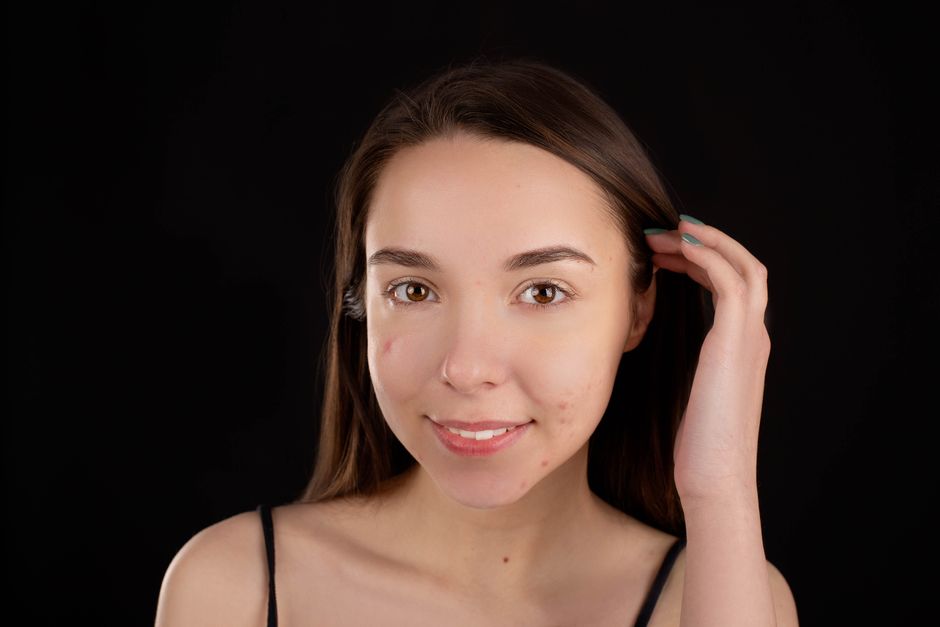
Post-inflammatory hyperpigmentation from acne scars feels permanent, but it’s not—if you know which myths to ignore. After a decade treating hundreds of patients, I’ve watched the same misconceptions sabotage results, so let’s clear them up now.
Myth #1: Dark Spots from Acne Scars Are Permanent and Can’t Be Removed at Home
The truth: Most dark spots are post-inflammatory hyperpigmentation (PIH), not structural scars—and PIH responds dramatically to OTC treatments in 4–8 weeks.
Your skin overproduced melanin after inflammation healed. This pigment sits on the surface and in shallow dermal layers. Retinoids speed cell turnover to shed the darkened cells, while chemical exfoliants unclog pores and prevent new pigment from forming. I’ve watched clients’ dark spots fade 60–70% at home with consistent use.
That said: if your scar has depth (indented or raised texture), that’s structural scarring and requires professional treatment like laser or microneedling—but the dark *pigment* still responds to topicals first.
Start here: Differin Adapalene Gel 0.1% is the FDA-approved gold standard for both active acne and post-acne hyperpigmentation. It’s a retinoid (stronger than retinol) that increases cell turnover by 25% in the first 4 weeks. Start with 3x weekly if you’re new to retinoids, then nightly after 2 weeks. Expect mild dryness—that’s normal and fades by week 3.
Myth #2: You Need Professional Laser to Remove Dark Spots Permanently
The truth: Laser accelerates results (2–4 weeks instead of 8–12), but it’s not necessary for PIH. Many dermatologists now recommend topical treatments first because they’re safer for darker skin tones and way more affordable.
Here’s the math: A professional laser treatment runs $300–800 per session (often need 2–3). A retinoid + exfoliant combo costs $60–80 total and delivers similar results in twice the time. Lasers DO work faster, but they carry risks—post-inflammatory hyperpigmentation (yes, the laser can *worsen* dark spots if not done right), downtime, and cost.
Reserve laser for structural scars (atrophic pitting) or if topicals plateau after 12 weeks.
Myth #3: Any Exfoliant Will Speed Up Dark Spot Fading
The truth: Chemical exfoliants outperform physical scrubs for hyperpigmentation, but not all chemical exfoliants work equally. BHA (salicylic acid) is superior for acne-prone, oily, and congested skin; AHA (glycolic acid) works better for dry skin.
Why? BHA penetrates pores and dissolves oil + dead skin, which prevents future breakouts and dark spots. AHA sits on the surface and melts away outer layers—great for texture and dryness, but less effective at preventing acne recurrence. For dark spots specifically, you want BHA.
Paula’s Choice 2% BHA Exfoliant is the dermatologist’s #1 recommended formula—lightweight, non-irritating, and proven to unclog pores in 1 week. Use 1–2x daily after cleansing. Pair it with Differin at night (BHA in AM, retinoid in PM to avoid irritation).
Pro combo for all skin types: Cleanser with benzoyl peroxide in AM, BHA in AM (after cleanser), retinoid in PM, and a hydrating moisturizer. This triple approach hits acne, dark spots, and prevents future scarring.
Myth #4: Vitamin C Serums Are the Best Solution for Dark Spots
The truth: Vitamin C has research backing for brightening and tyrosinase inhibition (which blocks melanin production), but it’s unstable, expensive, and slower than retinoids for removing existing dark spots.
Vitamin C oxidizes within weeks of opening, so most formulas are weak by the time they hit your skin. Retinoids, by contrast, are chemically stable and proven in 50+ clinical studies to fade hyperpigmentation 40–60% in 8 weeks. If you like Vitamin C for brightening, use it—but don’t rely on it alone for dark spot removal.
Real talk: A $15 retinoid beats a $65 unstable Vitamin C serum every single time. Layer your treatments strategically instead.
Myth #5: You Can’t Use Spot Treatments While Using Retinoids
The truth: You absolutely can combine them—in fact, you should. Benzoyl peroxide spot treatments work synergistically with retinoids to speed up acne healing and prevent dark spots from forming in the first place.
Here’s the hierarchy: retinoids address existing dark spots via cell turnover; benzoyl peroxide kills acne bacteria and reduces inflammation (which prevents new dark spots). They’re designed to work together. Use benzoyl peroxide in the AM (after cleanser) and retinoid in the PM—they won’t interfere.
CeraVe Acne Foaming Cream Cleanser contains 4% benzoyl peroxide + ceramides, so you get spot treatment in your cleanser—zero extra steps. It clears active acne without stripping your moisture barrier, which is essential when using retinoids (which increase dryness).
For stubborn, deep spots: Neutrogena Rapid Clear Stubborn Acne at 10% benzoyl peroxide is the strongest OTC option—fastest spot treatment available. Apply as a thin layer once daily in the AM, wait 1 minute for it to dry, then moisturize. Don’t use more than once daily (over-drying defeats the purpose).
La Roche-Posay Effaclar Duo combines benzoyl peroxide + LHA (a gentler chemical exfoliant than BHA), making it a perfect middle ground—tackles acne, prevents dark spots, and exfoliates without the irritation of dual exfoliants. Apply to entire face after cleansing, morning and night.
Bonus for active pimples (prevents dark spots): COSRX Acne Pimple Master Patch is a hydrocolloid patch that absorbs pus overnight, flattens the pimple, and reduces inflammation—meaning less chance of dark spots forming. Apply to clean, dry skin at night. Results visible by morning. These patches are a game-changer for preventing future scars.
The Routine That Actually Works (Step-by-Step)
Morning:
1. Cleanse with CeraVe Acne Foaming Cream Cleanser (4% benzoyl peroxide)
2. Apply Paula’s Choice 2% BHA Exfoliant to dry skin
3. Wait 2–3 minutes, then moisturize (any hydrating moisturizer with niacinamide preferred)
4. Sunscreen SPF 30+ (non-negotiable—UV exposure darkens spots permanently)
Evening:
1. Gentle cleanser (no benzoyl peroxide at night)
2. Differin Adapalene Gel 0.1% (pea-sized amount, start 3x weekly, increase to nightly after 2 weeks)
3. Moisturizer (retinoids increase dryness—layer moisture generously)
4. If active pimple: COSRX Acne Pimple Master Patch
Expected results: Week 2–3: pores unclog, active acne flattens. Week 4–6: dark spots visibly lighter by 30–40%. Week 8–12: 50–70% fading. If texture persists (indented scars), that’s when you consider professional treatment.
Frequently Asked Questions
Q: How long does it really take to remove dark spots from acne scars permanently?
A: Post-inflammatory hyperpigmentation (the dark pigment) fades in 4–12 weeks with consistent topical treatment—retinoids are fastest. Textural scars (indented or raised) require professional treatment like microneedling or laser, but the pigment clears first. “Permanent” removal means the dark spot doesn’t return once the pigment is gone, as long as you protect the area from sun exposure (which can reactivate pigment).
Q: Will dark spots come back if I stop using retinoids?
A: No—once the dark pigment is shed via cell turnover, it’s gone. But retinoids also prevent *new* dark spots from forming by keeping skin clear and controlling inflammation. After you fade existing spots, drop to maintenance mode: Differin 2–3x weekly, consistent sunscreen, and BHA 1–2x weekly. This prevents both new acne and new hyperpigmentation.
Q: Can I use retinoids if my skin is sensitive or dry?
A: Yes, but start low and go slow. Differin 0.1% is the gentlest retinoid available—begin with 2–3x weekly, then increase to nightly over 4 weeks. Pair it with a heavy moisturizer (ceramides + hyaluronic acid) and skip exfoliants for the first 2 weeks. If dryness persists, drop back to 3x weekly or use it every other night. Sensitivity usually settles within 2 weeks as your skin adjusts.
Q: Is it safe to combine benzoyl peroxide with retinoids every day?
A: Absolutely, but separate them by time of day: benzoyl peroxide in the AM (in cleanser or spot treatment), retinoid in the PM. Don’t mix them in the same formula because benzoyl peroxide can oxidize and degrade retinoids. This AM/PM split is safe, effective, and recommended by dermatologists for acne-prone skin with dark spots.
Join readers getting honest product reviews, ingredient breakdowns, and routines that actually work. No spam, ever.
Subscribe Free →Unsubscribe anytime. We respect your privacy.