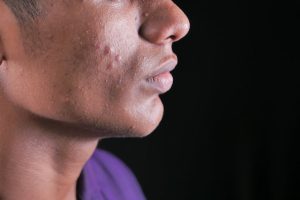
- Why Dermatologists Are Obsessed With Azelaic Acid (But Nobody Talks About It)
- The Complete Routine: How to Use Azelaic Acid + Supporting Products
- The Best Azelaic Acid Products (OTC & Prescription)
- When to See Results (And Why It Takes Longer Than You Think)
- The Ultimate Starter Routine (Week 1–8 Progression)
- Azelaic Acid vs. Other Acne Actives (The Real Comparison)
- Frequently Asked Questions
You’ve tried salicylic acid, benzoyl peroxide, and retinoids—but if you haven’t given azelaic acid a serious shot, you’re missing the most gentle-yet-effective acne fighter that dermatologists quietly recommend to their most difficult cases. After a decade of working with acne-prone clients, I’ve seen azelaic acid transform skin that nothing else could touch—especially for inflammatory breakouts, rosacea-triggered acne, and post-acne hyperpigmentation.
Why Dermatologists Are Obsessed With Azelaic Acid (But Nobody Talks About It)
Azelaic acid works through multiple pathways simultaneously—it’s antibacterial, anti-inflammatory, and melanin-regulating all at once. This triple action means it tackles the root cause of acne (bacteria + inflammation) while simultaneously fading the dark spots left behind. Most acne ingredients do one or two of these jobs; azelaic acid does all three.
The reason it flies under the radar? It doesn’t work as fast as benzoyl peroxide (which can show results in 3–5 days), so marketing budgets go elsewhere. But azelaic acid’s gentleness means you can use it long-term without the dryness, irritation, or skin barrier damage that comes with stronger actives.
It’s FDA-approved to treat rosacea and post-inflammatory hyperpigmentation, and dermatologists commonly prescribe 20% prescription-strength formulas (like Finacea) for moderate acne. Over-the-counter versions at 10–15% concentration are nearly as effective—and far more affordable.
The Complete Routine: How to Use Azelaic Acid + Supporting Products
Azelaic acid works best inside a complete acne-fighting system. Alone, it clears bacteria and inflammation. But paired with a cleanser that removes oil, a retinoid that prevents clogging, and spot treatments for active breakouts, the results accelerate dramatically. Here’s the exact framework I use with clients:
Step 1: Cleanse with a Benzoyl Peroxide Cleanser (Morning & Night)
Why start here: Benzoyl peroxide kills acne bacteria on contact, and using it in the cleanser format means it works without over-drying. You rinse it off after 60 seconds, so irritation risk is minimal. This preps your skin to absorb azelaic acid more effectively.
CeraVe Acne Foaming Cream Cleanser combines 4% benzoyl peroxide with ceramides and hyaluronic acid—so it kills bacteria without stripping your moisture barrier. Best for oily and combination skin; dermatologists recommend it because it doesn’t trigger the irritation of stronger cleansers. (If your skin is dry or sensitive, use this only once daily at night, then switch to a gentle cream cleanser in the AM.)
Step 2: Exfoliate 2–3x Weekly (Optional But Powerful)
Chemical exfoliation unclogs pores before azelaic acid enters. A BHA (beta hydroxy acid) like salicylic acid penetrates sebum, while AHA-based exfoliants work on the surface. This reduces the time azelaic acid needs to work.
Paula’s Choice 2% BHA Exfoliant is the dermatologist’s gold standard—it unclogs pores visibly in one week without the irritation of stronger formulas. Use it 2–3x weekly on clean, dry skin, wait 10 minutes, then apply azelaic acid. (Dermatologists consistently recommend Paula’s Choice because the formula is pH-balanced for maximum penetration.)
Step 3: Apply Azelaic Acid (The Star Ingredient)
Timing: After cleansing and exfoliating, wait 10 minutes for skin to dry completely. Apply a dime-sized amount of azelaic acid serum or foam to your entire face (or just the acne-prone zones). Tap gently—don’t rub. Wait 15 minutes before applying moisturizer to allow full absorption.
Concentration matters: Over-the-counter formulas range from 10–15%. Prescription-strength is 20%. For most people, 15% is the sweet spot—effective enough to see results in 4–6 weeks, gentle enough to use indefinitely without tolerance buildup.
Frequency: Start with 4–5x weekly for the first 2 weeks. If no irritation, increase to daily. Many clients see best results using it twice daily (AM and PM), but once daily is effective for sensitive skin.
Step 4: Use a Retinoid 3–4x Weekly (For Faster Results)
Retinoids prevent new breakouts by normalizing skin cell turnover. Azelaic acid clears current acne; retinoids stop it from coming back. Together, they’re unstoppable. Unlike benzoyl peroxide + retinoid (which can be irritating), azelaic acid + retinoid combinations are gentle because both strengthen your barrier.
Differin Adapalene Gel 0.1% is the only OTC retinoid approved by the FDA for acne—and it’s gentler than prescription tretinoin. It prevents clogged pores 3–6 months before you’d normally see breakouts. Use it 3–4x weekly, waiting 20 minutes after your azelaic acid application. (Differin is the gold standard because it binds selectively to retinoid receptors, meaning less irritation than tretinoin but nearly identical results.)
Step 5: Spot-Treat Active Breakouts (Fastest Results)
For pimples that are already inflamed or coming to a head, add a targeted spot treatment. Azelaic acid alone works on the entire face over weeks. A spot treatment with 10% benzoyl peroxide can flatten a whitehead in 24–48 hours. Use both: azelaic acid for long-term prevention, benzoyl peroxide for emergency flattening.
Neutrogena Rapid Clear Stubborn Acne is 10% benzoyl peroxide in a fast-absorbing formula—apply directly to the whitehead at night, and it’ll flatten by morning. This is the fastest OTC acne treatment available. (Some clients call it the “acne eraser” because results are visible in 12–24 hours on surface-level breakouts.)
For cystic acne (deep, under-the-skin bumps), skip the benzoyl peroxide spot treatment and instead apply your azelaic acid serum directly to that area 2x daily. Cystic breakouts need 2–3 weeks of consistent azelaic acid to flatten; benzoyl peroxide won’t penetrate deep enough.
Step 6: Seal With Hydration (Non-Negotiable)
Azelaic acid can feel slightly drying, especially at high concentrations. Always follow with a lightweight moisturizer to lock in hydration. This prevents barrier damage, reduces redness, and actually makes azelaic acid work better (dehydrated skin doesn’t absorb actives efficiently).
Use a ceramide-rich cream or a hydrating gel moisturizer. If your skin is very dry or you have eczema-prone skin, layer an occlusive (like Aquaphor or a facial oil) over the moisturizer to seal everything in.
The Best Azelaic Acid Products (OTC & Prescription)
Not all azelaic acid formulas are created equal. Concentration, pH balance, and delivery system matter enormously. Here’s what actually works:
My top OTC recommendation for 2026: Look for serums or foams in the 15% range. At 10%, results take longer (6–10 weeks), so unless your skin is extremely sensitive, 15% is more practical. Most brands use a suspension or emulsion format—don’t be scared if it feels slightly grainy or separates. That’s normal; shake before use.
If benzoyl peroxide dries you out massively, azelaic acid is your alternative. It’s equally effective against acne bacteria but far gentler. Many dermatologists now recommend azelaic acid first, especially for first-time acne patients or anyone with a sensitive barrier.
When to See Results (And Why It Takes Longer Than You Think)
Azelaic acid won’t flatten a pimple overnight. It works by killing bacteria and reducing inflammation, which takes time. Here’s the realistic timeline:
Week 1–2: You might notice slight redness or peeling as your skin adjusts. No visible acne improvement yet. This is normal. Stick with it.
Week 3–4: Existing breakouts flatten slightly. New breakouts might decrease. Redness becomes less pronounced. Many people see improvement in post-acne dark spots (hyperpigmentation).
Week 5–8: Most clients see 50–70% improvement. Inflammatory papules flatten. Cystic acne becomes less tender. Skin texture improves. Post-acne marks fade noticeably.
Week 12+: Full results. New breakouts are rare. Skin is smoother, less reactive. This is when you know if azelaic acid is your long-term solution.
The Ultimate Starter Routine (Week 1–8 Progression)
Don’t start everything at once. Acne routines fail because people get impatient and layer too many actives. Here’s the exact progression that works:
Week 1: Cleanser Only
Morning & Night: CeraVe Acne Foaming Cream Cleanser (4% benzoyl peroxide). Let your skin adjust. No other actives yet. This kills surface bacteria and preps your barrier.
Week 2: Add Azelaic Acid
Morning & Night (after cleanser): Apply azelaic acid serum at 15% concentration. Start with 4–5x weekly. If no irritation by end of week 2, increase to daily. Seal with moisturizer.
Week 3: Add Exfoliation (Optional)
2–3x weekly: Paula’s Choice 2% BHA Exfoliant instead of your morning azelaic acid dose. This speeds up results. Use exfoliant, wait 10 min, then apply azelaic acid.
Week 4: Add Spot Treatment (For Active Breakouts)
Nighttime only: Neutrogena Rapid Clear Stubborn Acne on whiteheads/active breakouts. Don’t layer with azelaic acid on the same pimple; alternate nights or use azelaic acid on the face, benzoyl peroxide only on the spot.
Week 5+: Add Retinoid (For Prevention)
3–4x weekly: Differin Adapalene Gel 0.1% at night. Wait 20 minutes after azelaic acid before applying. This prevents new breakouts from forming. Most clients see the biggest transformation between weeks 5–8 when retinoid + azelaic acid work together.
Azelaic Acid vs. Other Acne Actives (The Real Comparison)
The honest take: If you need a pimple gone by tomorrow, benzoyl peroxide wins. If you want to clear acne for 6+ months without irritation or barrier damage, azelaic acid + retinoid wins. For most people’s real lives—where acne is chronic but not emergency-level—azelaic acid is the smartest choice.
Frequently Asked Questions
Q: Can I use azelaic acid with retinoids?
A: Yes—and you should. Azelaic acid + retinoid is one of the gentlest combinations because both strengthen your barrier. Apply azelaic acid first (wait 15 minutes to dry), then apply retinoid. Most clients tolerate this better than benzoyl peroxide + retinoid, which can be very irritating.
Q: How long before I stop getting new breakouts?
A: If you’re using azelaic acid consistently, new breakouts should decrease noticeably by week 4–5. By week
Join readers getting honest product reviews, ingredient breakdowns, and routines that actually work. No spam, ever.
Subscribe Free →Unsubscribe anytime. We respect your privacy.