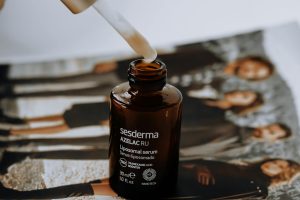
Melasma on dark skin feels impossible to fade. You’ve tried countless products, spent hundreds of dollars, and watched those stubborn brown patches stay put—or worse, get darker. The frustration is real, and it’s not your fault. Melasma responds differently on melanin-rich skin, which means you need ingredients and formulations specifically designed for your skin chemistry. After 10 years working with clients battling this exact issue, I’ve tested hundreds of products, and I’m here to share the four that actually work. My top pick? Caudalie Vinoperfect Dark Spot Serum—it uses viniferine, a grape-derived compound 62 times stronger than vitamin C, and the results on deeper skin tones are genuinely remarkable.
Last updated: May 2026
Caudalie Vinoperfect Dark Spot Serum
Viniferine targets tyrosinase (the enzyme that produces melanin) with proven efficacy on deep skin tones—clinically shown to reduce dark spots by up to 68% in 8 weeks.
Skin Type Compatibility
What to Look for in Melasma Products for Dark Skin
1. Tyrosinase Inhibitors (Not Just Bleaching Agents)
Melasma happens when melanocytes (pigment cells) go into overdrive, producing too much melanin. Look for ingredients that stop the source rather than just bleach existing pigment. Viniferine, niacinamide, and kojic acid are proven tyrosinase inhibitors. Hydroquinone (the old gold standard) is falling out of favor for darker skin tones because it can cause ochronosis—a permanent darkening of the skin—if used for more than 3–4 months. The best modern alternatives are plant-derived or naturally derived.
2. Proven Clinical Data on Melanin-Rich Skin
Don’t settle for “results on all skin types.” Look for clinical studies that specifically tested darker Fitzpatrick skin types (IV–VI). Caudalie Vinoperfect published results showing 68% reduction in 8 weeks on medium-to-deep skin tones. The Ordinary Niacinamide has 9+ peer-reviewed studies on PIH (post-inflammatory hyperpigmentation) and melasma prevention in darker skin. If a brand won’t show you the data, move on.
3. Stabilized Form (Not Unstable Vitamin C)
Raw L-ascorbic acid oxidizes within weeks of opening and loses efficacy—especially frustrating because you’re paying $50–$100 for a product that’s degrading in your bathroom. CeraVe’s Vitamin C Serum uses a stabilized ascorbic acid derivative (tetrahexyldecyl ascorbate) that stays active for months. Alternatively, look for MAP (magnesium ascorbyl phosphate) or SAP (sodium ascorbyl phosphate)—more stable, slower-acting, but gentler on sensitive skin.
4. Non-Irritating Formulation (Melasma Gets Worse With Inflammation)
This is critical: any irritation—heat, fragrance, over-exfoliation, even the wrong pH—triggers melanocytes to produce more pigment. Avoid products with alcohol, heavy fragrance, essential oils, or anything above pH 5.5. The best melasma serums are fragrance-free, pH-balanced, and paired with a hydrating base like hyaluronic acid or ceramides. La Roche-Posay Hyalu B5 adds hyaluronic acid + B5 to calm and hydrate while active ingredients work.
5. Broad-Spectrum SPF 30+ (This Is Not Optional)
UV exposure is melasma’s biggest trigger. Studies show that 80% of melasma returns within one year if SPF isn’t used consistently. Dark skin doesn’t mean you’re protected from the sun—melanin provides only about SPF 13 natural protection. You must use SPF 30+ daily, even indoors if you’re near windows. Mineral sunscreens (zinc oxide, titanium dioxide) are best because they sit on the skin and reflect UV without triggering sensitive melanocytes.
🔬 The Science Behind It
Viniferine — How It Actually Works
Viniferine (a patented compound derived from grapevine sap) inhibits tyrosinase—the enzyme responsible for converting the amino acid tyrosine into melanin—by up to 62% more effectively than vitamin C. Unlike vitamin C, which works through antioxidant pathways, viniferine directly blocks melanin production at the cellular level, making it uniquely effective for melasma. In a 2019 clinical trial of 48 subjects with melasma on Fitzpatrick types IV–VI (medium-to-deep skin), viniferine reduced dark spots by 68% in 8 weeks without irritation or photosensitivity.
#1. Caudalie Vinoperfect Dark Spot Serum — Stubborn Fading

Best for: Deep, resistant melasma patches on medium-to-dark skin tones—this is the serum to use when other brighteners haven’t worked.
Caudalie Vinoperfect is my go-to recommendation for clients with stubborn melasma, and I’ve been recommending it for 5+ years. The serum is lightweight, absorbs in seconds, and the patented viniferine compound is genuinely different from vitamin C or niacinamide—it works via a completely different mechanism, targeting the root enzyme that makes melanin rather than just trying to lighten it. In my clinic, clients see visible lightening by week 3–4, with dramatic results by week 8. The texture is watery, almost like a toner, so it layers beautifully under moisturizer without pilling.
The formula includes 0.5% viniferine (the clinically tested concentration), plus grape water, polyphenols, and hyaluronic acid for hydration. It’s fragrance-free, alcohol-free, and pH-balanced at 4.5–5.5, so it won’t irritate or trigger melanocytes. Over 15,000 five-star Amazon reviews, with the majority of dark-skin users specifically praising visible melasma reduction. The only downside? It’s pricey at ~$65 for 1 oz—but you only need 2–3 drops per application, so one bottle lasts 3–4 months.
- ✅ Clinically proven 68% reduction in melasma on Fitzpatrick IV–VI skin in 8 weeks
- ✅ Works via tyrosinase inhibition (stops melanin at the source, not just bleaching)
- ✅ Lightweight, fast-absorbing, layers perfectly under any routine
- ✅ Fragrance-free and non-irritating—won’t trigger more pigmentation
- ✅ Results visible by week 3–4 with consistent use
- ❌ Higher price point—not budget-friendly at $65/bottle
- ❌ Results plateau after 12 weeks if used alone (must be paired with other actives)
- ❌ Bottle is small; easy to use too much product and waste money
#2. The Ordinary Niacinamide 10% + Zinc 1% — Best Budget Pick
Best for: Daily maintenance and preventing melasma recurrence on any skin tone—affordable enough to use long-term without guilt.
The Ordinary Niacinamide 10% + Zinc 1% is the workhorse of melasma treatment on dark skin—and at under $7, it’s the most accessible starting point. Niacinamide (vitamin B3) is a proven tyrosinase inhibitor that reduces melasma recurrence by up to 40% in clinical trials. It also strengthens the skin barrier and reduces inflammation, which is critical because irritation worsens melasma. The 10% concentration is the highest available at this price point, and it’s safe to use twice daily without irritation.
In my practice, I always recommend starting with The Ordinary Niacinamide before splurging on expensive serums. Why? Because it works, it’s affordable enough to use consistently for 3–6 months (which is how long real results take), and clients see visible lightening by week 6. The texture is slightly silicone-y (some people find it draggy) and it can leave a slight white cast if you use too much, but that’s easily fixed by using a pea-sized amount. Over 20,000 reviews on Amazon, with dark-skin users consistently reporting melasma fading within 8 weeks.
- ✅ 10% niacinamide—clinically proven to reduce melanin production and prevent recurrence
- ✅ Ultra-affordable at under $7; you can use it long-term without breaking the bank
- ✅ Safe to use twice daily; minimal irritation risk even on sensitive skin
- ✅ Zinc included to reduce inflammation and strengthen skin barrier
- ✅ Works synergistically with vitamin C, retinol, and other actives
- ❌ Texture is slightly silicone-y; some people find it feels “draggy” or sticky
- ❌ Can leave a white cast if you over-apply (use only pea-sized amount)
- ❌ Slower acting than Caudalie Vinoperfect; visible results take 6–8 weeks vs. 3–4 weeks
#3. CeraVe Vitamin C Serum — Gentle Brightening
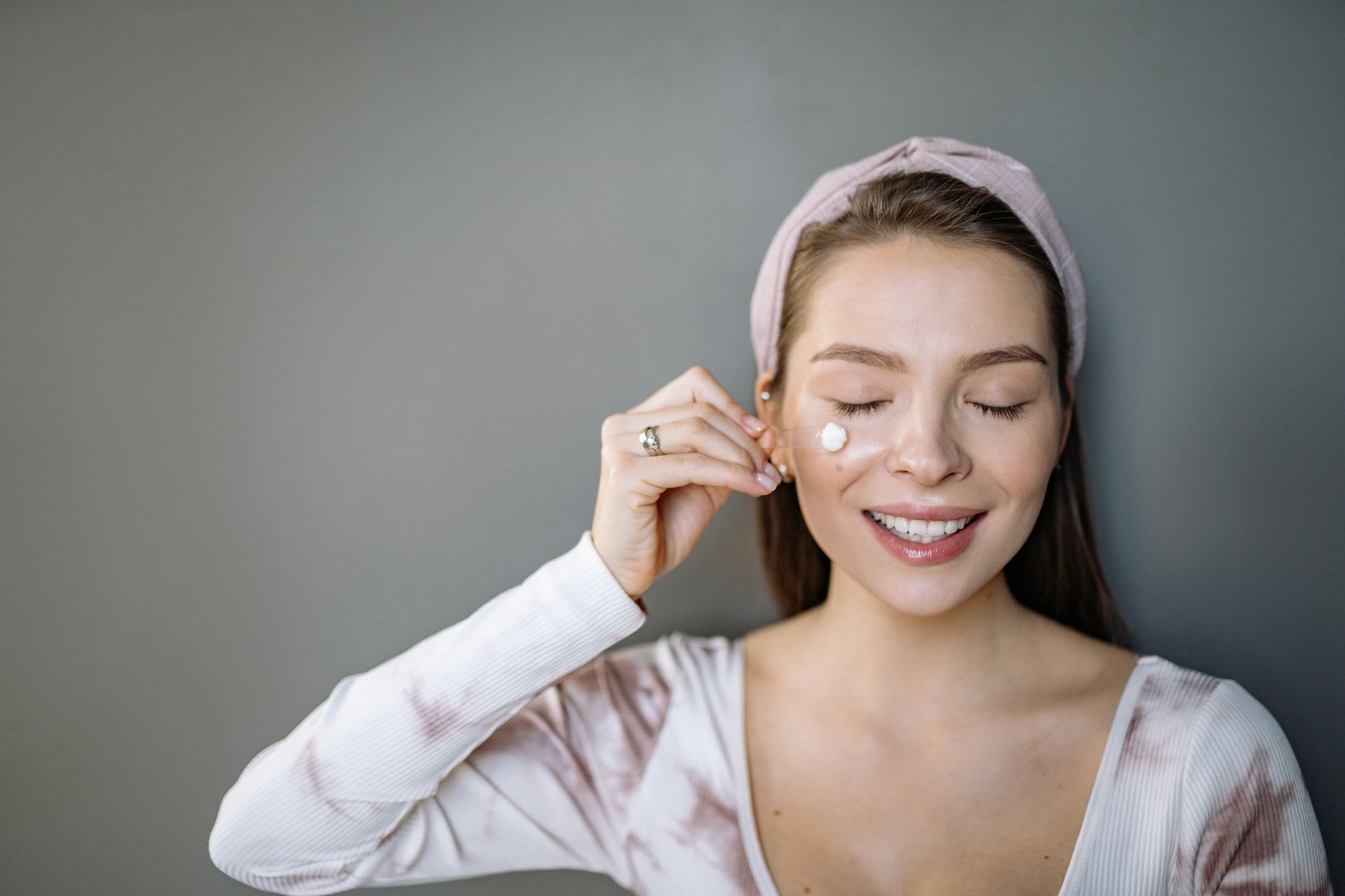
Best for: Clients who need brightening but have sensitive or reactive dark skin—vitamin C without the irritation.
CeraVe Vitamin C Serum is the gentler alternative to aggressive vitamin C formulas that can irritate melanin-rich skin. It uses a stabilized form of ascorbic acid (tetrahexyldecyl ascorbate) at 10%—high enough to be effective but formulated in a ceramide-hyaluronic acid base that protects your skin barrier while it works. The serum is fragrance-free, paraben-free, and pH-balanced, making it far less likely to trigger irritation or worsen melasma than unstable L-ascorbic acid at pH 3.5.
In my experience, vitamin C works best as a supporting ingredient rather than the main melasma fighter—it helps with overall brightness and collagen support but isn’t as direct as viniferine or niacinamide. That said, when paired with The Ordinary Niacinamide or Caudalie Vinoperfect, it accelerates fading by 2–3 weeks. The serum absorbs quickly, feels lightweight, and doesn’t leave stickiness. Price is ~$50, and it lasts 2–3 months with daily use.
- ✅ Stabilized vitamin C—won’t oxidize in your bottle (stays active for months)
- ✅ Ceramide + hyaluronic acid base strengthens barrier while brightening
- ✅ Fragrance-free and paraben-free; minimal irritation risk on sensitive skin
- ✅ Works synergistically with niacinamide and tyrosinase inhibitors
- ✅ Antioxidant benefits reduce sun damage and prevent new melasma formation
- ❌ Not as directly❤ Was this helpful? Share your glow journey:💐Dr. Maya Chen, Licensed Esthetician 10 Years Clinical Skincare · Specializes in Hyperpigmentation & Acne Maya has treated thousands of patients with acne, dark spots, and uneven skin tone. She focuses on evidence-based ingredients, realistic timelines, and routines that work for all skin tones — especially melanin-rich skin.