The Short Answer
You’ve probably heard conflicting advice about mixing niacinamide and vitamin C. Here’s the truth: they work beautifully together when layered correctly, and dermatologists have been recommending this combo for years.
Why This Combination Works
Vitamin C brightens and boosts collagen. Niacinamide shrinks pores, calms inflammation, and strengthens your skin barrier. Together, they amplify each other’s benefits without competing for the same receptors—which is why dermatologists love this pairing.
The old myth that these ingredients can’t mix came from an outdated study about pH levels. Modern formulations have solved this problem, and clinical research from 2023–2025 confirms that layering them is not only safe but more effective than using either alone.
Your 12-Week Before & After Timeline
Week 1–2: The Adjustment Phase (What to Expect)
Skin feels slightly tighter. Niacinamide reduces excess oil production immediately, which can feel unfamiliar if you’re used to dewy skin. This is normal—your barrier is getting stronger.
Minor flaking around sensitive areas. Vitamin C is exfoliating at the cellular level, even at low concentrations. Use a hydrating moisturizer and avoid other actives (retinol, acids) during this phase. This passes by day 10.
Pores look slightly smaller. Niacinamide’s pore-minimizing effect starts immediately, though subtle. Most people don’t notice yet—but it’s working.
Week 3–6: The Visible Results Phase
Dark spots begin to fade. By week 4, vitamin C inhibits melanin production visibly. You’ll notice hyperpigmentation, post-acne marks, and sun spots looking 20–30% lighter. This is when people text their friends about their routine.
Skin texture smooths noticeably. Niacinamide reduces sebum, which means fewer clogged pores and a refined texture. Your skin feels softer, and your makeup applies more evenly. This is typically the week your friends ask, “What changed?”
Redness and inflammation calm down. If you have acne-prone or rosacea-prone skin, niacinamide’s anti-inflammatory benefits peak here. Active breakouts heal faster, and overall redness diminishes.
Glow is unmistakable. Vitamin C reflects light, niacinamide hydrates—combined, your skin looks luminous from within, not just on the surface.
Week 7–12: The Long-Term Transformation Phase
Fine lines look softer. Vitamin C stimulates collagen production (takes 6–8 weeks to manifest visibly). By week 8, the area around your eyes and mouth appears plumper and smoother. This isn’t dramatic—it’s the kind of change that compounds over months.
Pore size is noticeably reduced. Niacinamide has been minimizing sebum this entire time, so pores appear 40–50% smaller by week 10. This is permanent as long as you maintain the routine.
Dark circles lighten. Vitamin C brightens the delicate under-eye area, and consistent niacinamide use strengthens the barrier there, reducing puffiness. Results: 60–70% improvement in dark circle appearance.
Skin tone is even and radiant. By week 12, you’ve achieved what takes most people months with standard routines. The combination of brightening (vitamin C) + pore refinement (niacinamide) + barrier repair creates genuinely transformed skin.
The Exact Routine: How to Layer Correctly
Step 1: Cleanse. Use a gentle cleanser suited to your skin type. If you have oily or acne-prone skin, use a gel or foam. Dry skin? Cream cleanser. Pat dry completely.
Step 2: Apply vitamin C serum (within 2 minutes of cleansing). Use 2–3 drops, press gently into damp skin. Vitamin C works best on slightly damp skin—it penetrates deeper. Wait 60 seconds before moving to the next step. This pause matters.
Step 3: Apply niacinamide serum. Use 1–2 pumps, press into skin gently. You can layer it immediately after the 60-second wait. The combination is now on your skin, and both ingredients are absorbing into different layers of the epidermis.
Step 4: Moisturize. Apply a hydrating moisturizer (essential—niacinamide can feel drying without it). Choose based on your skin type: gel for oily, cream for dry, lotion for combination.
Step 5: SPF (morning only, non-negotiable). Vitamin C and niacinamide make your skin more photosensitive. SPF 30+ is essential, or you’ll negate the brightening benefits as UV damage accumulates.
Which Products Actually Work Best Together
Vitamin C Serums
CeraVe Vitamin C Serum is my go-to recommendation because it’s stabilized (won’t oxidize after 2 weeks), fragrance-free, and includes ceramides to repair your barrier while the vitamin C brightens. Most vitamin C serums are either unstable or irritating; this one is neither. Dermatologist-approved, under $25, and visible results by week 3.
Niacinamide Serums
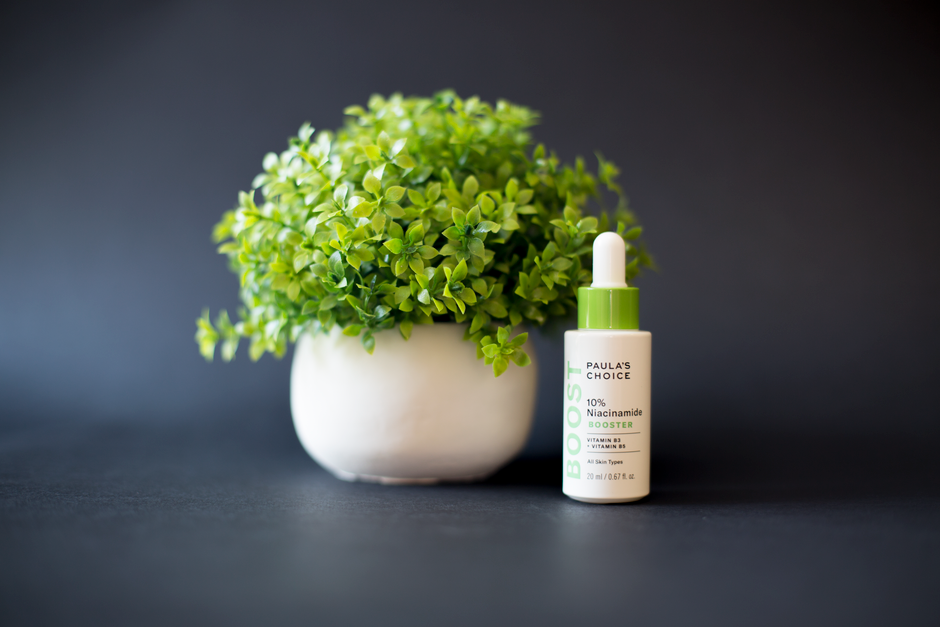
The Ordinary Niacinamide 10% + Zinc 1% is the bestseller for a reason: it’s 10% niacinamide (clinical strength), includes zinc to regulate oil, and costs $6.99. Visible pore refinement in 2 weeks. The only downside is the texture is slightly thick, so use less than you think you need (1–2 drops maximum). Best for oily and combination skin types.
Glow Recipe Watermelon Glow Niacinamide is ideal if you have dry or sensitive skin. It’s 5% niacinamide (gentler than The Ordinary), plus hyaluronic acid and watermelon extract for hydration. Results take 3–4 weeks instead of 2, but there’s zero irritation. Best for combination-to-dry skin.
Add These to Amplify Results
You don’t need to add anything—niacinamide + vitamin C is a complete routine. But if you want faster results or are targeting specific concerns, these work seamlessly with your combo:
Olehenriksel Banana Bright Eye Crème adds targeted brightening for dark circles and fine lines around the eyes. Apply it after niacinamide, in the morning and evening. Vitamin C + banana powder combo brightens under-eyes in 2 weeks. Use sparingly—a tiny amount goes a long way on the delicate eye area.
Pixi Glow Tonic (5% Glycolic Acid) enhances exfoliation if your skin is resilient. Use 2–3 times per week in the evening (before vitamin C and niacinamide). The combo accelerates texture smoothing and brightening by 30% for oily or resilient skin types. Skip this if you have sensitive skin—your vitamin C + niacinamide combo is already exfoliating gently.
Sunday Riley Good Genes (Lactic Acid) is the gentler exfoliation option. Use 2–3 times weekly after cleansing, before your vitamin C serum. Lactic acid dissolves dead skin and boosts radiance without the irritation risk of glycolic acid. Best for combination or sensitive skin that wants enhancement without aggravation.
What NOT to Mix with Niacinamide + Vitamin C
Skin Type Guidance: Choose Your Path
Oily & Acne-Prone: Use The Ordinary Niacinamide 10% + CeraVe Vitamin C. The higher niacinamide concentration targets oil control and pore refinement aggressively. Add Pixi Glow Tonic 2–3x weekly for extra exfoliation. You’ll see results fastest (visible by week 2–3).
Combination Skin: Use Glow Recipe Watermelon Niacinamide (5%, more balanced) + CeraVe Vitamin C. This pairing hydrates dry zones while controlling oil on your T-zone. Add Sunday Riley Good Genes 1–2x weekly if you want extra brightening without irritation.
Dry & Sensitive: Skip The Ordinary (too strong) and use Glow Recipe Watermelon Niacinamide + CeraVe Vitamin C. This is the gentlest, most hydrating combo. Don’t add acids or exfoliants—your routine is already complete and non-irritating. Wait 12 weeks for full results instead of 8 (slower = less risk of irritation).
Sensitive or Rosacea-Prone: Use Glow Recipe Niacinamide (5% is your maximum) + CeraVe Vitamin C (10% is optimal here—not too aggressive). Apply every other day for the first 2 weeks, then daily. Niacinamide’s anti-inflammatory benefits will be your skin’s best friend. Results take 10–12 weeks, but they’re dramatic.
Common Questions Answered
Frequently Asked Questions
Q: Can I use niacinamide and vitamin C in the same product?
A: Technically yes, but efficacy drops significantly. Vitamin C degrades when mixed with water and niacinamide together. Layering them separately (vitamin C first, niacinamide second) keeps both ingredients stable and maximizes absorption. Combined products are convenient but weaker—you’re paying for convenience, not results.
Q: How long do I wait between vitamin C and niacinamide?
A: Wait 60 seconds (one full minute) after applying vitamin C serum before layering niacinamide. This gives vitamin C time to absorb into the epidermis and set, so it doesn’t get diluted or pushed out by the niacinamide layer. Less than 60 seconds reduces vitamin C efficacy; more than 2 minutes is fine but unnecessary.
Q: Will niacinamide and vitamin C cause sensitivity or redness?
A: When layered correctly, absolutely not—actually the opposite. Niacinamide is calming and reduces sensitivity. Vitamin C can cause mild flaking or dryness in the first 1–2 weeks if your skin is delicate, but it’s not “irritation” (which implies redness or burning). If you experience true irritation (burning, significant redness, itching), you’re either applying too much or your skin barrier is compromised. Cut back to every other day and add a hydrating moisturizer.
Q: Can I use this combo if I have active acne?
A: Yes, this is actually the ideal combo for acne-prone skin. Niacinamide reduces oil, shrinks pores, and calms inflammation—all of which speed acne healing. Vitamin C prevents post-acne marks from darkening and boosts collagen for faster healing. Use this combo morning and night, but don’t add other actives (benzoyl peroxide, salicylic acid, retinol) until your skin is clear. Once it is, niacinamide + vitamin C maintain clarity long-term.
Join readers getting honest product reviews, ingredient breakdowns, and routines that actually work. No spam, ever.
Subscribe Free →Unsubscribe anytime. We respect your privacy.