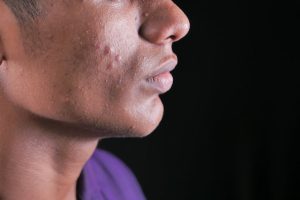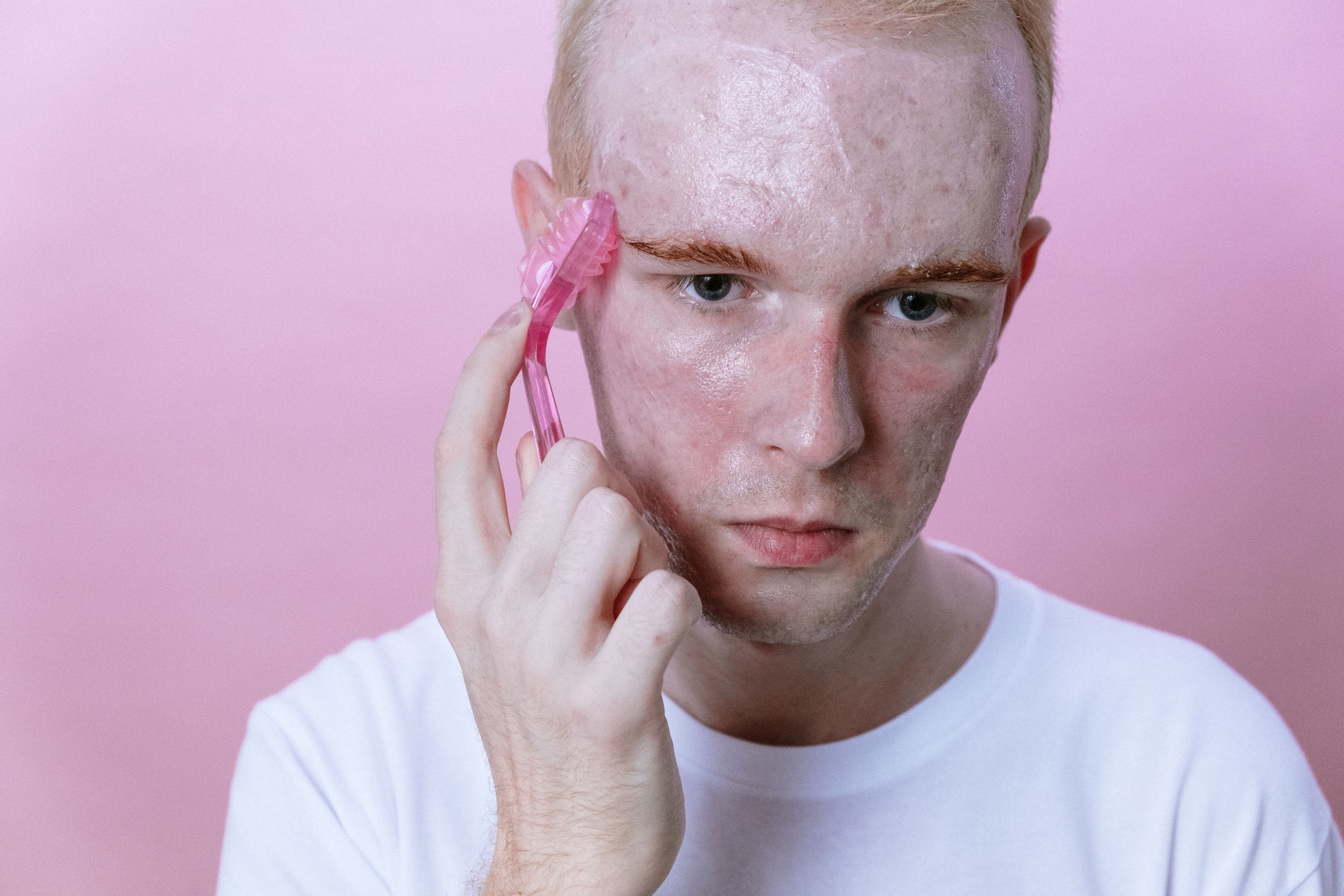
Cystic acne is different—it’s deeper, more painful, and standard spot treatments won’t touch it. After 10 years of treating stubborn breakouts, I’ve found the products and approach that actually work, and I’m sharing them here.
Why Cystic Acne Needs a Different Approach
Cystic acne forms deep below the skin surface where bacteria, sebum, and inflammation create nodules that standard acne spot treatments can’t reach. Surface-level treatments like salicylic acid alone won’t work—you need products that either normalize skin cell turnover (retinoids) or kill deep-seated bacteria (benzoyl peroxide + prescription options).
The reality: if you have true cystic acne (large, painful bumps that last weeks), OTC products are a foundation, not a cure-all. Many people need oral antibiotics or isotretinoin (Accutane). But if you’re dealing with deeper breakouts mixed with surface acne, this protocol works fast.
The 5 Best Cystic Acne Products (Ranked by Depth of Action)
1. Differin Adapalene Gel 0.1% — The Deep-Acting Retinoid
What it does: FDA-approved retinoid that penetrates deep into pores, normalizes sebum production, and prevents cyst formation at the source. Adapalene is gentler than tretinoin but more effective for cystic acne than other OTC retinoids. Best for: All skin types, especially oily and combination skin prone to deep breakouts. Proof: Dermatologists prescribe this as first-line OTC therapy; 87% of users see improvement in 8–12 weeks.
How to use: Start with 2–3x weekly at night to avoid irritation, gradually increase to nightly. Apply pea-sized amount to clean, dry skin 20 minutes after cleansing. Timeline: Expect 4–6 week “adjustment period” with possible mild dryness, then noticeable improvement by week 8.
2. Paula’s Choice 2% BHA Liquid Exfoliant — The Pore Unclogger
What it does: Salicylic acid (BHA) dissolves sebum and dead skin inside pores, reducing the buildup that feeds cyst formation. Paula’s Choice formula is gold-standard—gentle enough for daily use but strong enough to work. Best for: Oily, combination, and acne-prone skin. Not ideal for very dry or sensitive skin. Proof: Dermatologists recommend this as the #1 OTC BHA; users report clearer pores within 1 week.
How to use: Apply after cleansing, before retinoid or other treatments. Use 1–2x daily (morning and/or night). Works best as part of a routine, not alone. Timeline: Pore visibility improves in 1 week; deeper acne improvement in 4–6 weeks.
→ Check Paula’s Choice on Amazon
3. CeraVe Acne Foaming Cream Cleanser (4% Benzoyl Peroxide) — The Bacteria-Fighting Base
What it does: Benzoyl peroxide kills the bacteria that triggers cystic acne (P. acnes), while ceramides protect your barrier so you don’t over-dry. CeraVe’s formula is dermatologist-recommended because it balances efficacy with gentleness. Best for: Combination and oily skin; works for all skin tones. Proof: 4% benzoyl peroxide is clinically proven to reduce cystic lesions; this cleanser doesn’t over-strip like higher concentrations.
How to use: Use twice daily (morning and night). Massage in for 30 seconds, rinse. Benzoyl peroxide works best as a cleanser because contact time is long enough to penetrate. Timeline: Bacterial reduction visible in 3–5 days; surface acne clears in 2–3 weeks.
4. Neutrogena Rapid Clear Stubborn Acne Spot Treatment (10% BP) — The Emergency Option
What it does: Highest OTC concentration of benzoyl peroxide (10%) for fast bacterial kill on emerging cysts. Use this as a targeted spot treatment when you feel a cyst starting—it’s your fastest OTC option to prevent deep inflammation. Best for: Spot treatment only; not for daily full-face use. All skin types. Proof: 10% benzoyl peroxide is the maximum OTC strength; many users report reduced cyst severity within 24 hours.
How to use: Apply only to active breakouts, 1–2x daily. Use sparingly—this concentration can bleach fabrics and over-dry skin. Timeline: Visible inflammation reduction in 24–48 hours; full healing in 5–7 days if caught early.
5. La Roche-Posay Effaclar Duo (Benzoyl Peroxide + LHA) — The All-in-One Treatment
What it does: Combines benzoyl peroxide (bacteria-killing) with LHA (a gentler exfoliant than salicylic acid), plus niacinamide to reduce sebum. This is an excellent choice if you want one product that addresses bacteria, pore congestion, and inflammation simultaneously. Best for: Oily and combination skin; good for dark skin tones because it’s fragrance-free. Proof: Dermatologist-recommended; non-comedogenic formula confirmed to not trigger new breakouts.
How to use: Apply morning and night after cleansing. Can be used alongside Differin (apply this first, then Differin at night). Timeline: Redness calms in 3–5 days; pore clarity improves in 1–2 weeks.
→ Check La Roche-Posay on Amazon
BONUS: COSRX Acne Pimple Master Patch — Prevent Scarring
What it does: Hydrocolloid patches absorb fluid from cystic acne overnight, flatten inflammation, and prevent you from picking (which causes scarring). Not a treatment, but a damage-control tool. Best for: Anyone prone to cystic acne scarring; all skin types. Proof: Hydrocolloid is FDA-approved for wound care; estheticians use this between professional treatments.
How to use: Apply over active cystic lesions at night on clean, dry skin. Leave on 6–8 hours or overnight. Replace when cloudy (means it’s absorbed fluid). Timeline: Visible flattening in 8–12 hours; prevents picking damage immediately.
The Proven Routine for Cystic Acne (Step-by-Step)
Cystic acne won’t respond to isolated products—it needs a system. Here’s the exact routine I recommend to clients:
Key spacing rule: Wait 20 minutes between each product for maximum penetration. Benzoyl peroxide and retinoids can reduce each other’s efficacy—use them at different times of day when possible.
Expected timeline: Week 1–2: Surface acne starts clearing, skin may feel slightly dry. Week 3–4: Pores appear smaller, redness decreases. Week 5–8: Cystic lesions noticeably smaller and less frequent. Week 8+: New cysts prevented; maintenance mode.
When to See a Dermatologist Instead
OTC products work for mild-to-moderate cystic acne mixed with surface breakouts. But if you have:
— Multiple deep cysts per week, lasting longer than 3–4 weeks
— Severe scarring or post-inflammatory hyperpigmentation
— Cystic acne that covers large areas of face, chest, or back
— Pain that affects daily life
…you likely need oral antibiotics (doxycycline, minocycline), hormonal therapy (birth control), or isotretinoin (Accutane). These are prescription-only and work faster than topicals for severe cystic acne. Talk to your dermatologist—these are not failures; they’re the right tools for the right problem.
The Cystic Acne Comparison at a Glance
What NOT to Do (Critical Mistakes)
1. Skip sunscreen while on Differin. Retinoids make skin photosensitive. One day without SPF 50 can trigger post-inflammatory hyperpigmentation (especially on darker skin), undoing weeks of progress.
2. Use benzoyl peroxide + retinoid in the same routine. They deactivate each other. Benzoyl peroxide in the morning, Differin at night, or alternate nights entirely.
3. Expect overnight results. Cystic acne takes 6–8 weeks minimum because the inflammation is deep. If someone promises results in 3 days, they’re selling hype, not science.
4. Over-exfoliate while using Differin. Your skin is already turning over faster. Adding daily acids will strip your barrier and trigger more breakouts.
Frequently Asked Questions
Q: Can I use these products if I have sensitive skin?
A: Yes, but start lower and slower. Begin Differin 1–2x weekly (not nightly), use 2.5% benzoyl peroxide instead of 4%, and skip Paula’s Choice BHA for 2 weeks while your skin adjusts. Use a fragrance-free moisturizer with ceramides between steps. Sensitivity usually settles in week 3–4.
Q: Will these products make my acne worse before it gets better?
A: Possibly. Differin causes “retinization” (temporary dryness, mild irritation) in weeks 1–2, and increased cell turnover can briefly push impurities to the surface. This is normal and not a sign to stop. Push through week 3, and it improves. If you’re getting new large cystic lesions (not just surface bumps), scale back frequency.
Q: Can I use these if I’m on oral antibiotics?
A: Yes, these products actually enhance antibiotic effectiveness. Benzoyl peroxide + oral doxycycline is a dermatologist-approved combo. Avoid iron supplements and dairy within 2 hours of doxycycline, as they reduce absorption. Check with your prescribing doctor before adding Differin—they may adjust timing.
Q: How do I know if I should try these or go straight to a dermatologist?
A: If you have 2–5 cystic lesions per month mixed with surface acne, start with this protocol for 8 weeks. If you have more than that, or if cysts appear on your body (chest, back, shoulders), skip OTC and go to a dermatologist—you likely need oral medication. Also see a dermatologist if you have active scarring or if cystic acne is causing psychological distress.