- Myth #1: “Benzoyl Peroxide Is Stronger, So It’s Better”
- Myth #2: “You Can’t Use Them Together”
- Myth #3: “Benzoyl Peroxide Stops Working After a Few Weeks”
- Myth #4: “One Product Will Clear Your Acne Permanently”
- Myth #5: “All Acne Types Respond to the Same Treatment”
- The Winning Strategy: Differin + Benzoyl Peroxide
- Best Products for This Strategy
- Timeline Expectations (Be Realistic)
You’ve tried both, or you’re standing in the drugstore paralyzed between the two bottles—and everyone online seems to have a different opinion. After 10 years treating acne-prone skin in my clinic, I can tell you: Differin and benzoyl peroxide aren’t competitors. They’re actually designed to solve different acne problems, and knowing which one targets YOUR specific breakouts is the difference between clearing your skin in 4–8 weeks or wasting money for months.
Myth #1: “Benzoyl Peroxide Is Stronger, So It’s Better”
Not even close. “Stronger” and “better” aren’t the same thing in skincare. Benzoyl peroxide works fast—it kills acne-causing bacteria (*Cutibacterium acnes*) within 24–48 hours, which is why you see results on spot treatments overnight. But it doesn’t address WHY acne formed in the first place: clogged pores, excess sebum, and dead skin cell buildup.
Differin (adapalene) is an FDA-approved retinoid that works differently. It normalizes skin cell turnover, prevents pores from clogging, and stops bacteria from multiplying in the first place. Results take 4–12 weeks, but once they hit, acne doesn’t come roaring back the moment you stop using it.
The reality: Benzoyl peroxide treats the breakout you have right now. Differin prevents the breakout you’d get next month. One is a firefighter; one is a fire prevention system.
Myth #2: “You Can’t Use Them Together”
This is the misconception that costs people the clearest skin of their lives. You absolutely can—and should—use both, just strategically. Many dermatologists recommend exactly this combination because they address acne from two angles simultaneously.
The trick: don’t apply them to the same spot on the same night. Use Differin 3–4 nights per week (it needs time to work and can irritate if overused), and use benzoyl peroxide on alternate nights or as a spot treatment on active breakouts. This prevents the irritation and dryness that dermatologists used to warn about.
Myth #3: “Benzoyl Peroxide Stops Working After a Few Weeks”
Bacteria don’t develop resistance to benzoyl peroxide the way they do to antibiotics—this is why dermatologists still prescribe it after decades. What actually happens: you see initial results in days, then expect the same dramatic improvement to continue forever. When it plateaus (around week 3–4), people think it “stopped working.”
The real issue? Benzoyl peroxide only controls surface bacteria. It doesn’t prevent new clogged pores from forming. So while your active breakouts clear, new ones develop underneath. This is exactly where Differin comes in—it prevents those future breakouts while benzoyl peroxide maintains control of current inflammation.
Myth #4: “One Product Will Clear Your Acne Permanently”
I wish this were true. Acne is multifactorial—genetics, hormones, diet, stress, and skincare all play roles. Differin and benzoyl peroxide are tools, not cures. They manage acne effectively, sometimes to the point where breakouts become rare. But acne-prone skin typically needs consistent maintenance.
That said, Differin has the best track record for long-term acne prevention. Clinical trials show that people who use it consistently see 60–90% reduction in acne lesions within 12 weeks, and the results hold as long as they keep using it. Many dermatologists consider it the gold standard for mild-to-moderate acne exactly for this reason.
Myth #5: “All Acne Types Respond to the Same Treatment”
This is the biggest one. Comedonal acne (blackheads and whiteheads), inflammatory acne (red, sore pustules), hormonal acne, and cystic acne all need different approaches. Using the wrong one wastes weeks and frustrates you into thinking neither product works.
The Winning Strategy: Differin + Benzoyl Peroxide
Here’s the protocol I recommend in clinic for most acne-prone skin types:
Week 1–2 (Start low, build tolerance): Use Differin 0.1% once per week at night. Start with just 2–3 times per week if your skin is sensitive. This introduces the retinoid without overwhelming your barrier. Expect mild dryness and slight peeling—that’s normal.
Week 3–4 (Add benzoyl peroxide): Increase Differin to 3–4 nights per week. On non-Differin nights, use a 2.5–5% benzoyl peroxide product (lower percentages are just as effective as 10% with less irritation). Or apply benzoyl peroxide as a daytime spot treatment on active breakouts.
Week 8–12 (Plateau sets in): By now you’ll see 40–60% improvement in breakouts. Your skin feels smoother, pores look smaller, and new pimples are rare. This is where consistency matters—keep going. The breakthrough comes at week 12.
Month 4+ (Maintenance mode): Continue Differin 3–4 nights per week indefinitely. This is your acne insurance policy. Use benzoyl peroxide only as needed on active spots.
Best Products for This Strategy
Differin Adapalene Gel 0.1% is the only FDA-approved OTC retinoid. It’s the exact same ingredient dermatologists prescribe in stronger formulas, which means it has clinical data backing its acne-clearing power. Get it here—$7–9 for a month’s supply. Apply a pea-sized amount to dry skin 3–4 nights per week.
Paula’s Choice 2% BHA Exfoliant is my recommendation for keeping pores clear on non-Differin nights. BHA (salicylic acid) penetrates oil-filled pores better than benzoyl peroxide for comedonal acne. Results appear in 1 week. Get it here—dermatologists rank it the #1 BHA for a reason.
CeraVe Acne Foaming Cream Cleanser (4% benzoyl peroxide) combines the acne-fighting power of benzoyl peroxide with ceramides that protect your moisture barrier. This is crucial when you’re using Differin—Differin dries skin out, so you need a cleanser that won’t strip further. Get it here—use as your morning cleanser on Differin nights to prevent over-irritation.
Neutrogena Rapid Clear Stubborn Acne (10% benzoyl peroxide) is the fastest OTC spot treatment available. Apply it only to active pimples at night, not all over your face. It’s aggressive, which is exactly what you want for a single inflamed spot that appeared overnight. Get it here—$6 for spot-treatment emergency situations.
La Roche-Posay Effaclar Duo is a dual-action treatment combining benzoyl peroxide with LHA (a gentler exfoliant). It’s fragrance-free and non-comedogenic, making it ideal for sensitive acne-prone skin that can’t tolerate full-strength benzoyl peroxide. Get it here—use as a daytime treatment under moisturizer.
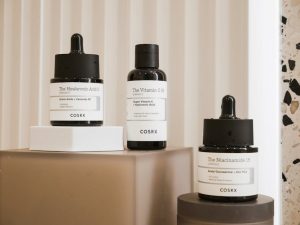
COSRX Acne Pimple Master Patch are hydrocolloid patches that absorb pus from whiteheads overnight, flattening them by morning and preventing picking that leads to scarring. Not an active ingredient, but clinically proven to speed healing. Get them here—$6 for 24 patches. Use after your Differin/benzoyl peroxide treatment sets.
Timeline Expectations (Be Realistic)
Days 1–7: Benzoyl peroxide shows results immediately on active pustules—they flatten and dry faster. Differin shows nothing yet; you might experience slight dryness.
Week 2–4: Dryness and slight peeling with Differin (normal—your skin is turning over). Inflammatory breakouts begin to decrease. Some people see a “purge” where skin temporarily gets worse—this is old clogs being pushed out, not the product failing. Push through.
Week 4–8: The real magic happens. Breakouts drop by 40–60%. Pores look noticeably smaller. Post-inflammatory redness starts fading. Skin texture improves.
Week 12+: 60–90% reduction in acne. Your skin looks like it belongs to someone who doesn’t break out constantly. This is maintenance territory now.
Frequently Asked Questions
Q: Can I use Differin and benzoyl peroxide every single night?
A: No. Both are strong actives that damage your skin barrier if overused. Differin needs 3–4 nights per week maximum. Benzoyl peroxide can be used more frequently, but combine them nightly and you’ll trigger severe irritation, peeling, and barrier damage that makes acne worse. Alternate nights are key.
Q: Which one should I start with if I’ve never used either?
A: If your acne is mostly comedones (blackheads, whiteheads, texture), start with Differin. If it’s mostly inflammatory pustules (red, angry bumps), start with benzoyl peroxide. For mixed acne, start with a low-dose benzoyl peroxide cleanser (like CeraVe 4%) for 2 weeks, then add Differin at night. Benzoyl peroxide shows results faster, so it keeps you motivated while Differin does its slower, deeper work.
Q: Why does my skin get worse when I start Differin?
A: This is called retinization or a “retinoid purge.” Differin accelerates skin cell turnover, pushing out old clogs and bacteria that were trapped deeper in pores. It looks like a breakout, but it’s actually your skin cleaning house. This typically lasts 2–4 weeks. Don’t stop—pushing through is when the real improvement starts. If it’s unbearable, reduce frequency to once per week and build up slowly.
Q: Is it true benzoyl peroxide can bleach clothes and hair?
A: Yes. Benzoyl peroxide oxidizes pigment, so it can bleach dark fabrics and hair. Apply it at night (so it dries before you sleep), wait 10 minutes before getting dressed, and use a white or dark pillowcase you don’t care about. Differin doesn’t have this issue, so if bleaching is a dealbreaker, rely more heavily on Differin and use benzoyl peroxide only as a spot treatment.
Join readers getting honest product reviews, ingredient breakdowns, and routines that actually work. No spam, ever.
Subscribe Free →Unsubscribe anytime. We respect your privacy.